Introduction to Agentic AI
What is Agentic AI?
Agentic AI refers to artificial intelligence systems designed to act autonomously, making decisions and performing tasks with minimal human intervention. Unlike traditional AI, which often focuses on specific tasks like image recognition or data analysis, agentic AI systems, or “AI agents,” are built to understand goals, reason through complex scenarios, and execute actions to achieve desired outcomes. These agents leverage advanced capabilities like natural language processing, machine learning, and contextual awareness to operate independently or collaboratively in dynamic environments.
Think of an AI agent as a highly capable virtual assistant not just answering questions or following strict scripts, but proactively solving problems, coordinating tasks, and adapting to new information. For example, an AI agent could manage your calendar, book travel, negotiate with vendors, or even troubleshoot technical issues, all while learning from its interactions to improve over time.
The Future of Work with AI Agents
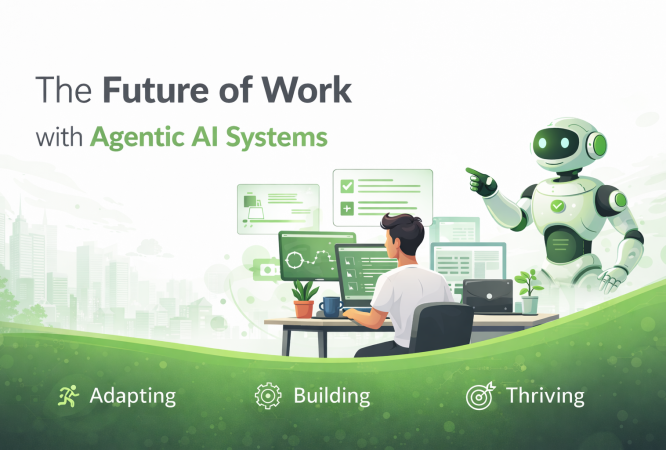
The rise of agentic AI is poised to transform how work is done across industries. In the future, AI agents will handle a wide range of tasks, from routine administrative duties to complex decision-making processes, reshaping workplaces and daily life. Here’s what this future might look like:
- Increased Efficiency: AI agents will automate repetitive and time-consuming tasks, such as data entry, customer support, or inventory management, allowing businesses to operate faster and at lower costs.
- Personalized Assistance: Agents will tailor their actions to individual preferences, whether it’s managing personal finances, curating learning plans, or optimizing supply chains for businesses.
- Collaborative Workflows: Teams of AI agents will work together, coordinating with each other and humans to tackle multifaceted projects, like designing products or planning large-scale events.
- Scalability: Small businesses and individuals will have access to powerful tools once reserved for large organizations, as AI agents democratize access to advanced capabilities.
This shift will free humans from mundane tasks, enabling a focus on creativity, strategy, and innovation. However, it will also require new skills to design, oversee, and integrate these agents into our lives.
Examples of AI Agents in Enterprises and Personal Life
AI agents are already being integrated into both enterprise and personal settings, transforming how tasks are performed. Below are examples of how they are used:
Enterprise Examples
- Customer Service Agents: AI agents handle customer inquiries 24/7, resolving issues like order tracking or troubleshooting through natural language understanding. For instance, a retail company might use an AI agent to respond to customer emails, process returns, and escalate complex issues to human staff.
- Supply Chain Optimizers: These agents analyze data on inventory, demand, and logistics to streamline operations. A manufacturing firm could deploy an AI agent to predict stock shortages, optimize delivery routes, and negotiate with suppliers in real time.
- Financial Analysis Agents: In enterprises, AI agents process vast datasets to provide insights, such as forecasting market trends or detecting fraud. A bank might use an agent to monitor transactions, flag suspicious activities, and generate compliance reports.
- HR and Recruitment Agents: These agents automate hiring processes by screening resumes, scheduling interviews, and even conducting initial candidate assessments. A large corporation could use an AI agent to match candidates to job roles based on skills and cultural fit.
Personal Life Examples
- Personal Finance Agents: These agents help individuals manage budgets, track expenses, and invest wisely. For example, an AI agent could analyze your spending habits, suggest savings plans, and alert you to upcoming bills.
- Smart Home Assistants: AI agents control home devices, optimizing energy use or enhancing security. A smart home agent might adjust your thermostat, lock doors, and turn off lights based on your routines and preferences.
- Personal Productivity Agents: These agents organize schedules, prioritize tasks, and send reminders. For instance, an AI could manage your calendar, book appointments, and suggest optimal times for meetings based on your habits.
- Health and Wellness Agents: In personal life, AI agents monitor health metrics and provide tailored advice. A fitness app powered by an AI agent might track your workouts, suggest meal plans, and remind you to stay hydrated.
What Will Humans Do?
As AI agents take on more tasks, humans will shift toward roles that emphasize creativity, oversight, and ethical considerations. Here’s how humans will engage with this agentic future:
- Building Agents: Engineers, developers, and designers will create AI agents, tailoring their capabilities to specific industries or personal needs. This includes programming their decision-making logic, training them on relevant data, and ensuring they align with ethical standards.
- Managing Agents: Humans will oversee AI agents, setting goals, monitoring performance, and intervening when necessary. This role, often called “agent orchestration,” involves coordinating multiple agents to ensure they work harmoniously.
- Strategic Decision-Making: While agents handle routine tasks, humans will focus on high-level strategy, such as defining business objectives, fostering innovation, or addressing complex societal challenges.
- Ethical Governance: Humans will establish guidelines to ensure AI agents operate fairly, transparently, and without bias, addressing concerns like privacy and accountability.
- Creative and Interpersonal Work: Fields requiring human empathy, intuition, and creativity like art, counseling, or leadership will remain human-centric, with agents supporting rather than replacing.
Preparing for an Agentic Future
For those unfamiliar with AI, the concept of agentic AI might seem daunting, but it’s an opportunity to enhance productivity and quality of life. To prepare, individuals can:
- Learn Basic AI Concepts: Understand how AI agents work through online courses or resources to stay informed.
- Develop Complementary Skills: Focus on skills like critical thinking, problem-solving, and creativity, which AI cannot fully replicate.
- Experiment with Agents: Start using simple AI tools, like virtual assistants or automation platforms, to see their potential in daily tasks.
- Stay Ethical and Informed: Keep up with discussions on AI’s societal impact to ensure its benefits are maximized responsibly.
In summary, agentic AI will redefine work by automating tasks, enhancing efficiency, and enabling humans to focus on what truly matters. By understanding and embracing this technology, we can shape a future where AI agents and humans collaborate to achieve more than ever before.